the first time i watched A Silent Voice, i could hear. later, i woke up one day and couldn’t. i went deaf, and then got cochlear implants. when i watched the film again, it was the same story, but i was meeting it from somewhere completely different.
before, i mostly saw a film about bullying, guilt and trying to make things right. after, i kept noticing the small work that goes into being understood: waiting for someone to face you, trying a different way to communicate, wondering what the other person has missed. the film hadn’t changed. my life had.
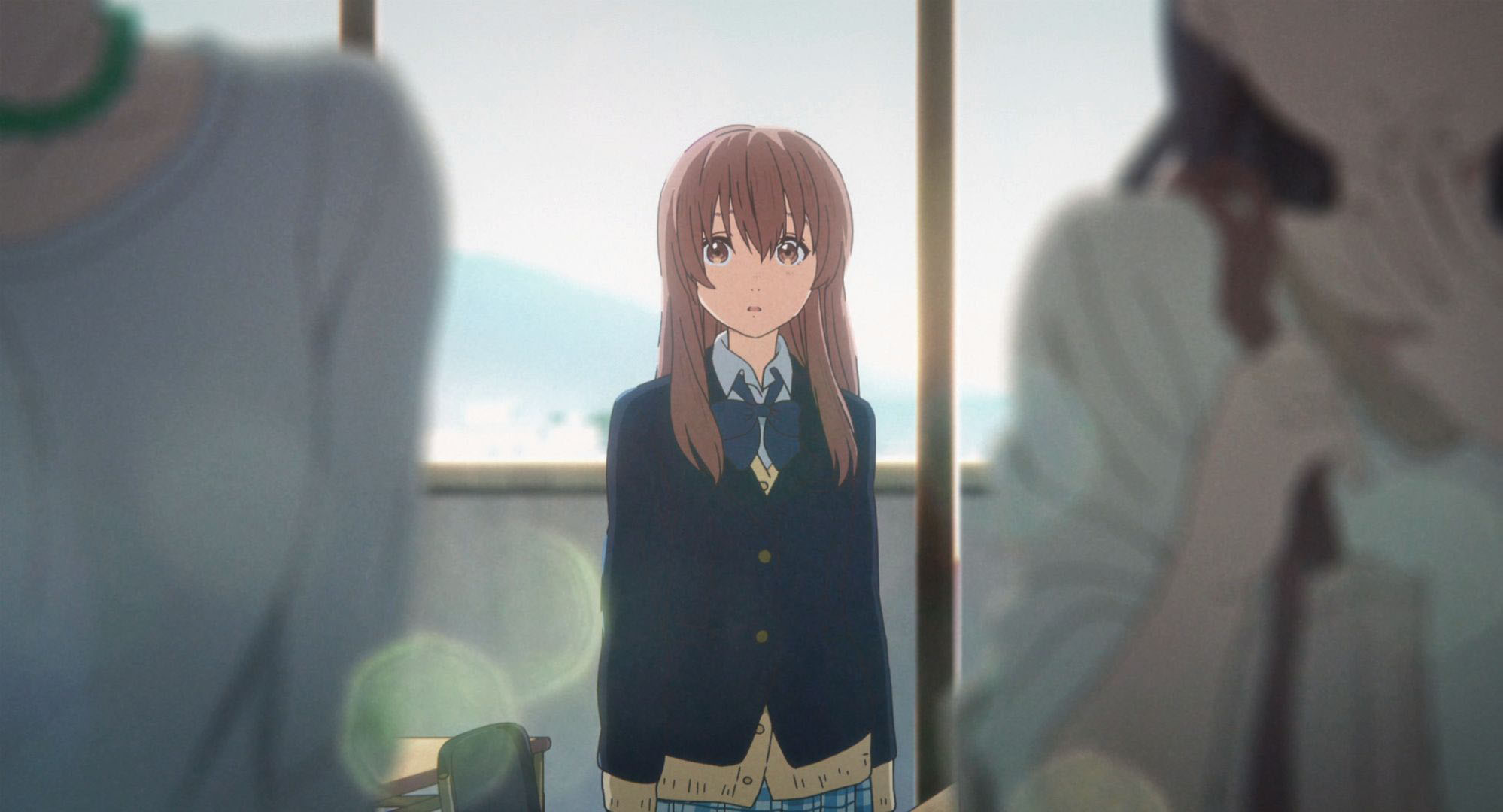
the same film, a different seat
Shoko is a deaf girl trying to get through school while the people around her make her difference into a problem for her to solve. Shoya bullies her, and later has to live with what he did. the film is built around his attempt to reconnect, but watching it after my own hearing changed made me look more closely at what Shoko is carrying too.
sometimes the story is more interested in Shoya’s guilt than in what Shoko wants for herself. that’s still a limit i feel when i watch it. but the awkwardness between them also feels familiar in a broader way: people can care about each other and still not know how to meet each other. good intentions don’t automatically make communication easy.
my experience isn’t Shoko’s, and the film can’t stand in for every deaf person. her story has its own details; so does mine. still, it gave me a way to notice things i hadn’t been looking for on the first watch. a scene i once read as social embarrassment could now leave me thinking about access, patience, and who is expected to do the adapting.
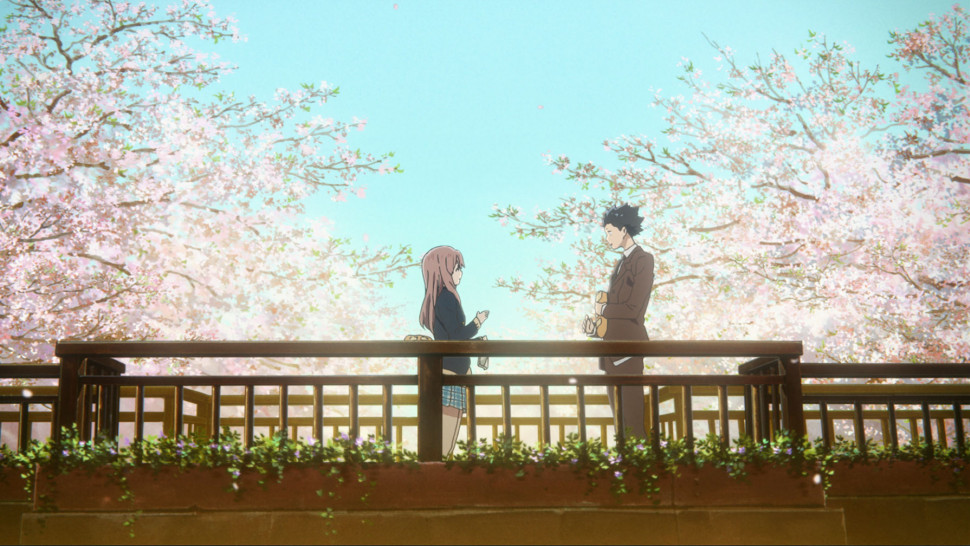
sound, and everything around it
the film’s sound and framing make you pay attention to the effort of following a conversation. the pauses matter. so do the reactions from people who don’t know what to do next. director Naoko Yamada said they worked to express the sound within a person, using things like vibrations and wave patterns to suggest what Shoko feels. she talks about that in an interview with Picturehouse.
that artistic point of view is part of what makes the film affecting, but it isn’t a map of my hearing or anyone else’s. losing my hearing was something that happened to me, not a metaphor the film can explain. getting cochlear implants became part of what came after. it didn’t turn my life into a neat “before” and “after” story with every question answered.
there was a lot to take in, including the unknowns of how ordinary days might feel and change. i don’t want to pretend i can sum that up in a perfect line. the film just gave me a place to sit with some of it, and to notice how much of everyday life depends on assumptions people rarely have to say out loud.
what the rewatch left me with
the crosses over people’s faces are Shoya’s way of shutting everyone out; they’re about his isolation and guilt, not a picture of Shoko’s deafness. i understood that before. after, i was more aware of how the film keeps returning to the space between people: a conversation that goes wrong, an apology that can’t undo the past, someone deciding whether to try again.
that’s what changed for me. the first watch was about whether Shoya could become someone better. the second made me think about how life can change suddenly, then you still have to get through the next ordinary day. i woke up one day and couldn’t hear. the film didn’t explain that or make it easier, but watching it again did make me feel less alone with the changes that followed.
i like A Silent Voice because it leaves room for things to stay complicated. people hurt each other; people try again; sometimes they still don’t fully understand each other. watching it twice, at two different points in my life, made the film feel closer to me without making it my story.